
Is luck really a factor? Debunking common casino myths
The Role of Luck in Gambling
Luck is often romanticized as the pivotal force behind winning at casinos, leading many players to believe that a lucky streak can result in significant winnings. This perception gives games of chance an exhilarating quality, where every spin or shuffle feels like a gamble with fate. However, while luck does influence short-term outcomes, it is crucial to understand that it is not the predominant factor in determining long-term success in gambling; players who engage with online casino instant withdrawal options often find that strategy plays a much larger role in their overall experience.
Casino games are meticulously designed with specific odds that ensure the house retains a consistent percentage of wagers over time. For instance, in blackjack, players can influence their odds through strategic decisions, relying less on luck and more on their understanding of the game. Mastering these odds and employing sound strategies not only enhances the gaming experience but also underscores that while luck might grant temporary advantages, skill and knowledge yield lasting impacts.
Players often attribute their wins to sheer luck and their losses to unfortunate circumstances, which skews their perception of the gaming experience. This narrative can deter players from recognizing the mathematical foundations that govern the games they enjoy. By dispelling the myth that luck is the sole determinant of success in gambling, individuals can approach their gameplay with a more informed perspective, resulting in wiser betting choices and a deeper enjoyment of the overall experience.
Common Myths Surrounding Casino Games
The world of casinos is rife with myths that can mislead players, often leading to poor decision-making. One of the most pervasive misconceptions is the idea that past outcomes can influence future results, particularly in games like roulette or slots. This phenomenon, known as the “gambler’s fallacy,” causes individuals to believe that a specific outcome is overdue after a series of wins or losses. However, the reality is that most casino games operate independently of each other, meaning the outcome of one round doesn’t impact the next. Understanding this can prevent players from making irrational bets based on unfounded beliefs.
Another prevalent myth is the notion that high-stakes games guarantee better odds. While the allure of high-stakes environments can be tempting, the odds remain unchanged regardless of the amount wagered. The house advantage is fixed for each game, meaning that players who bet larger amounts do not inherently increase their chances of winning. This misconception can lead to significant losses just as easily as it can lead to wins, making it essential for players to understand the mathematics behind their chosen games.
Moreover, many players operate under the illusion that specific machines or tables are ‚due‘ for a payout after a long period of inactivity. This belief can lead to misguided strategies, as individuals gravitate toward machines that have historically not paid out, thinking that they have a higher chance of winning. In reality, each spin of a slot machine or shuffle of a deck is entirely random. Acknowledging this fact enables players to make more logical decisions rather than relying on emotional impulses.
The Influence of Strategy and Skill
While luck undoubtedly plays a role in gambling, the application of strategy and skill can significantly enhance a player’s chance of success. Take poker, for instance, where understanding the game’s dynamics, reading opponents, and employing strategic betting can greatly alter the outcome. Skilled players understand the importance of bluffing, calculating odds, and knowing when to fold, showcasing that success often derives from informed decision-making rather than blind luck. Mastering these aspects of poker not only increases the likelihood of winning but also enriches the overall experience.
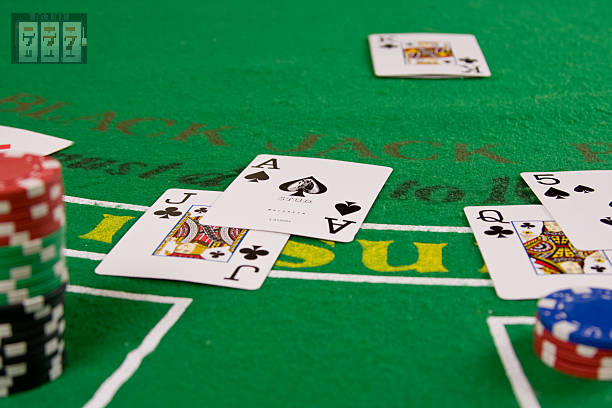
In games traditionally viewed as random, such as blackjack, players can still leverage strategy to improve their odds. Basic strategies, like knowing when to hit or stand based on the dealer’s upcard, can help minimize losses and enhance potential profits. By utilizing statistical insights and mathematical tactics, players can shift their perception of luck, cultivating a strategy-driven approach to gameplay that transcends mere chance. This proactive mindset can lead to more thoughtful decisions and a more enjoyable gaming experience.
Furthermore, players who take the time to learn the rules and strategies of each game often experience a more controlled and enjoyable gaming session. Investing effort in understanding game mechanics and honing skills can empower players to navigate the casino landscape more effectively. By concentrating on strategy rather than luck, players can savor the thrill of the game while improving their chances of favorable outcomes, ultimately leading to a deeper appreciation for the intricacies of gambling.
The Psychological Aspect of Gambling
The psychological dimensions of gambling are frequently underestimated but are instrumental in shaping how players perceive luck and outcomes. Many players experience fluctuations they refer to as “hot” and “cold” streaks, basing their feelings about luck on recent wins or losses. This mindset can lead to impulsive decisions, such as chasing losses or continuing to gamble when it would be wiser to walk away. By recognizing these psychological factors, individuals can work towards developing healthier gambling habits that prioritize enjoyment and responsibility.
Additionally, the ‘near miss’ phenomenon is a notable aspect of the casino experience, particularly evident in slot machines. When players narrowly miss hitting a jackpot, they often experience a surge of excitement, mistakenly interpreting the near miss as an indication that a win is imminent. This misinterpretation can result in extended gaming sessions, driven by the hope of reliving that thrill, regardless of the underlying odds. Awareness of these psychological triggers can empower players to maintain discipline and make more rational decisions, ultimately enhancing their gaming experience.
Understanding the psychology of gambling is essential for mitigating the influence of luck on gameplay. By acknowledging how emotions can affect decision-making, players can devise strategies to manage their behavior. This awareness paves the way for a more balanced approach that combines enjoyment with responsibility, ultimately leading to a more fulfilling gambling experience that prioritizes both fun and informed choices. Recognizing the interplay between psychology and luck can significantly enhance a player’s approach to gambling.
Final Thoughts on Casinos and Luck
In summary, while luck certainly plays a role in gambling, it is crucial to recognize its limitations alongside the importance of strategy, skill, and psychological awareness in shaping one’s overall experience. Many players fall into the trap of believing that luck is the primary determinant of success, which can lead to misconceptions that result in unwise decisions. A solid understanding of game mechanics, the independence of outcomes, and the application of strategic thinking can cultivate a more positive gaming atmosphere that is rooted in reality.
As individuals navigate the complexities of the casino landscape, balancing the thrill of chance with a calculated approach rooted in skill is essential. By embracing educational resources about casino games, players can dispel common myths and elevate their gaming experiences, ensuring that they enjoy their time while making informed decisions. A clear mindset can transform gaming sessions into opportunities for enjoyment rather than frustration, ultimately enriching the overall gambling experience.
Ultimately, the realm of casinos can be both exhilarating and rewarding, but players must take ownership of their success. By dismantling myths surrounding luck and focusing on strategy, individuals can seize control of their gaming experiences. Regardless of the outcome, the goal should be to appreciate the game while remaining grounded in reality, understanding that luck is just one piece of a much larger puzzle in the world of gambling. This blend of enjoyment and knowledge can lead to a more satisfying and sustainable relationship with the games they love.