
Minimalist Wardrobe Essentials The Row Crossbody Bag
Identifying Authentic The Row Bags: What Purchasers Should Keep an Eye On
The Row’s aftermarket has boomed across the last several years, and with that expansion comes a surge of knockoffs that are harder to spot than ever. The Row built its reputation on quiet, unbranded luxury, which is precisely why authentication difficult — there’s no prominent logo to check, no telltale hardware stamp, no conspicuous monogram print to hold up beside a fake. Shoppers hunting secondhand or resale listings in 2026 should be aware of the specific build features, fabric tells, and documentation clues that separate a genuine piece from a persuasive copy. This article walks through what to examine before you commit to a purchase, whether you’re looking at a Margaux, a tote, or one of the brand’s smaller handbags. Also included is a look at where the most reliable buying channels are and how pricing on the secondary market measures against retail. Get familiar with these details now, because the difference between a genuine piece and a fake usually boils down to millimeters and stitch counts.
What Makes The Row Bags Tricky to Verify
In contrast to brands built around canvas monograms or embossed branding, The Row built its identity on minimalism, and that’s precisely what makes counterfeiting both simpler to try and harder to catch. There’s no overlapping logo design to study under a loupe, no signature print that a copycat might render imperfectly. Instead, authenticity lives in the leather itself, in the way panels are cut and joined, and in hardware that’s often without markings but clearly weighted and refined. The brand uses leathers sourced from specific tanneries, and the surface grain, aroma, and suppleness of that material are hard to mass-produce convincingly. Stitching on a genuine bag is dense, even, and tight — counterfeiters regularly cut corners here because hand-finishing requires an investment of time they’d rather skip. That’s part of why an overview of row bags for new buyers has to begin with physical and structural indicators rather than logos, since spotting a fake means learning the row margaux handbag to judge scale and workmanship instead of labeling.
Inspecting Leather Quality and Hardware
Genuine The Row leather has a distinctive softness that doesn’t sacrifice structure — it drapes rather than slumps, and it holds its shape at the base and sides without feeling stiff or plasticky. Run your fingers along the edges of any bag you’re considering; authentic pieces have edge paint or hand-finished edges that are smooth and consistent, with no fraying, cracking, or visible glue seepage. Hardware on The Row bags, including zippers, clasps, and feet, tends to be weighty rather than lightweight, and it should move smoothly without sticking or rattling. Many pieces use unbranded hardware, so don’t expect an engraved logo on a zipper pull — but do expect a certain heft and matte or brushed finish that cheap alloy replicas can’t quite match. Check the lining as well, since The Row typically uses a suede or fine cotton-blend interior that feels substantially different from the flimsy polyester found in most counterfeits. If a bag’s interior smells strongly of chemical adhesive rather than clean leather or suede, treat that as a red flag rather than a minor quirk.
Proportions, Stitching, and Construction Details
Stitch count and spacing are among the most reliable indicators of authenticity because they’re genuinely difficult to fake convincingly at speed. On a real bag, you’ll typically find between 7 and 9 stitches per inch along major seams, with no skipped stitches, no uneven tension, and no visible thread ends poking out. Compare the two sides of a bag — the front panel should mirror the back in stitch spacing and seam placement almost exactly, since The Row’s pattern-cutting is done with tight tolerances. Look closely at where straps attach to the body of the bag; on authentic pieces, this junction is reinforced and often bar-tacked, while counterfeits frequently show single-line stitching that will fail under normal use. Proportions matter too — The Row’s bags are designed with specific dimensions that don’t vary between production runs, so if a listing’s measurements are noticeably off from published specs, that’s worth flagging immediately. Zipper pulls, especially on totes, should sit flush and operate without snagging, and the base of the bag should sit flat on a table without wobbling or leaning. These details take minutes to check but they tell you more than any certificate of authenticity ever could.
The Margaux and The Safe Way to Buy It
Because The Margaux is at once the label’s most iconic style as well as its most heavily counterfeited one, sourcing it carefully becomes unavoidable.
If confidence in your source matters when you buy The Row Margaux bag, the safest starting points are the label’s own website, its flagship stores, and a limited number of officially sanctioned luxury department stores that carry The Row’s ready-to-wear and accessories lines.
Beyond that, trustworthy resale platforms with in-house authentication teams — those who examine stitching, hardware, and leather by hand prior to listing — are your next-best choice.
Stay away from any listing showing recycled stock photos, imprecise measurements, or a seller who refuses to share more photos of the interior stamp, zipper pull, and base.
Asymmetric stitching on that flap is grounds for immediate rejection, since authentic Margaux bags feature a consistent structured silhouette with a top handle and a distinctive rounded flap.
Given that the Margaux is perpetually in higher demand than what’s available, a „too good to be true“ price on a hard-to-find colorway is usually exactly that.
Tote Bags and Daily-Wear Essentials
Because totes see more daily wear and their construction must stand the test of time, verifying their authenticity becomes a bit more manageable — given that the Row’s tote bag lineup tends to attract shoppers looking for a workhorse piece instead of a statement bag.
A tote’s base deserves thorough examination, given that it’s the spot most prone to drooping or splitting on badly constructed fakes not long into use.
Authentic totes commonly include reinforced corners, either through additional stitching or understated reinforcing panels, so the bag holds its shape when filled with daily essentials.
The stitching on the handles and the strap length are also worth a close look — genuine totes have handles stitched through several leather layers instead of being adhered or fastened in a way that looks purely decorative.
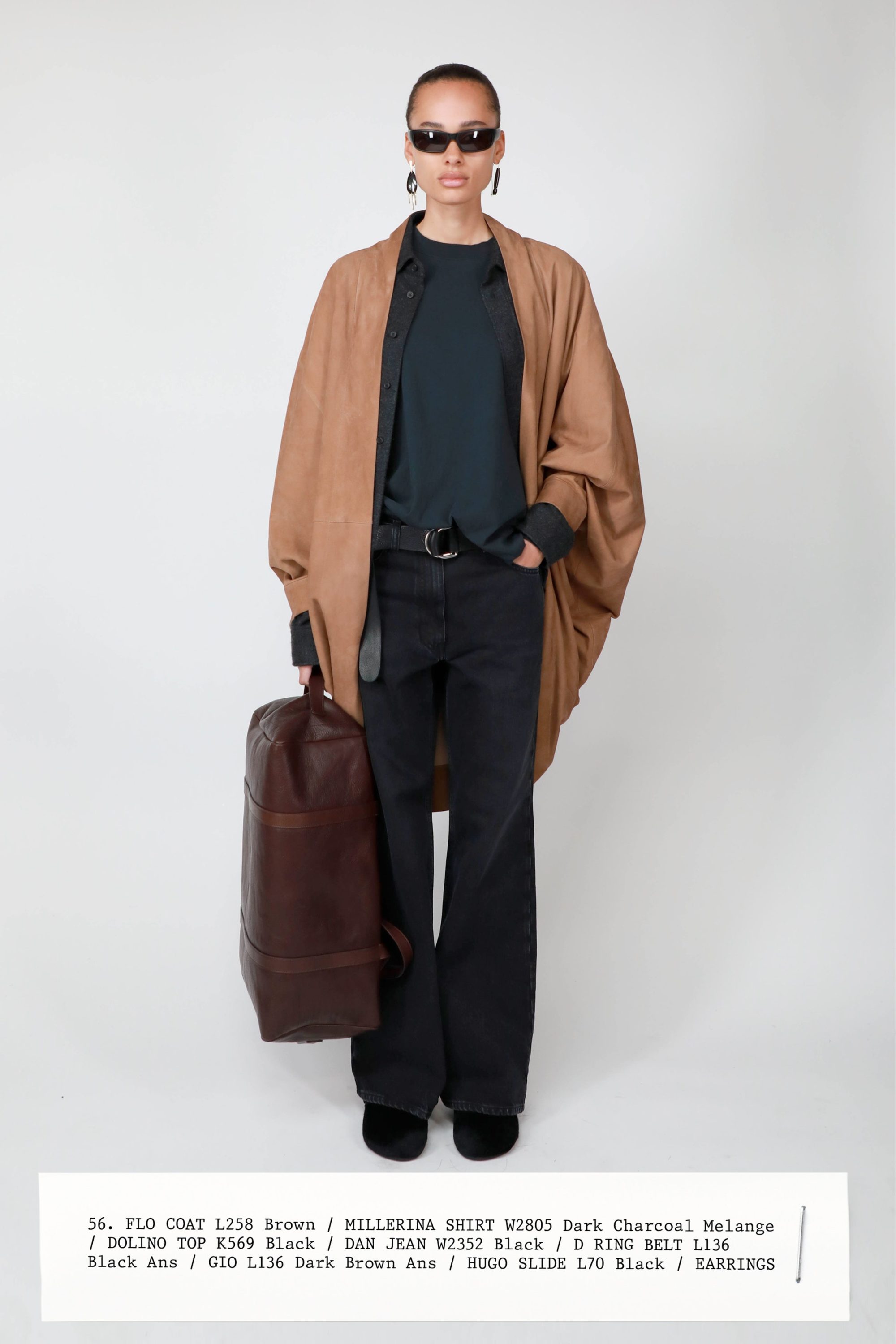
When comparing several tote listings, note that colors should match consistently across seasons for core styles, so wildly inconsistent shades in the same listed colorway can point to either poor photo quality or a batch of dye from an unauthorized manufacturer.
Overall, totes are one of the more approachable entry points into the brand’s handbags, and nailing this construction inspection builds know-how you’ll use across every other style.
Price Breakdown Spanning Best-Selling Designs
Understanding typical retail pricing helps you spot inflated resale listings and outright scams before you get too invested in a purchase. The table below reflects general 2026 retail positioning across some of the brand’s best-known bag categories, useful as a reference point when browsing row sale listings or secondhand platforms.
| Handbag Type | Ballpark Retail Bracket | Common Resale Condition Notes |
|---|---|---|
| Margaux (assorted sizes) | $3,000–$5,500 | In high demand; examine the stitching on the flap along with how heavy the hardware feels |
| Tote Bag by The Row | $1,800–$3,200 | Inspect base wear and handle attachment points |
| Small or Mini Handbags | $2,200–$3,800 | Verify the lining material inside and whether the proportions are accurate |
| Top-Handle Bags with Structure | $2,800–$4,500 | Confirm seam symmetry and edge paint consistency |
Based on the leather used, the hardware finish, and any limited releases, these ranges can move, so it’s wiser to treat them as a loose framework instead of a strict price list. Any bag priced far below these figures, particularly if it’s „new with tags,“ warrants closer inspection, no matter how convincing the photos look.
Records and Seller Credibility
Beyond the physical bag, paperwork and seller history offer another layer of verification that’s easy to overlook. The Row doesn’t include as much branded packaging as some luxury houses, but buying through authorized retailers usually includes a dust bag, a receipt, and sometimes a card detailing the leather type or care instructions. Ask any private seller for the original purchase receipt or order confirmation, and be wary if they claim to have lost all documentation for a bag purchased within the last year or two. Check seller reviews and transaction history on resale platforms, since established sellers with verified feedback are statistically far less likely to be moving counterfeit stock. Run a reverse image check on listing photos that look overly polished or that show up on several , since this is a common tactic among sellers who reuse stock photography instead of photographing the actual item they hold. If a platform offers third-party authentication as an add-on service, use it — that modest cost is small next to dodging a major financial error. At the end of the day, pairing hands-on checking with documentation checks is the difference between savvy shoppers from people who end up scammed.
Final Thoughts for Buyers
Shopping for the row fashion pieces, especially bags, rewards patience and a willingness to slow down before clicking „buy.“ Because the brand maintains tight production standards, top row bags keep their value, leaving counterfeiters constantly struggling to replicate details beyond their reach. Whether you’re chasing a specific Margaux colorway or simply want a dependable tote for daily use, the core principles stay the same: look closely at the leather, review the stitching, gauge the hardware, and verify the seller. What identifies top row bags isn’t any logo or brand marking, but the sum of minor, consistent decisions in how they’re made. Buyers who take fifteen extra minutes to compare stitch density, seam symmetry, and interior lining save themselves from costly mistakes down the line. With counterfeit quality improving every year, this added diligence is no longer optional — it’s just part of buying smart in 2026.